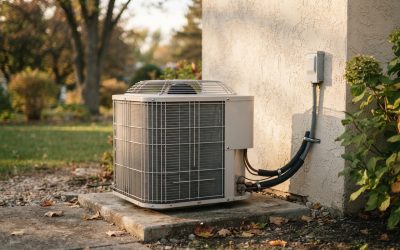
Along the Texas Gulf Coast, an air conditioner is not seasonal equipment you can baby through a few hot weekends. It runs hard for the better part of the year, fighting triple-digit afternoons and relentless humidity from spring well into fall. That workload is exactly why so many cooling systems fail in late June or July: the heat arrives, the unit is asked to do its hardest work of the year, and a small problem that was quietly developing all spring finally breaks.
The good news is that air conditioners almost always warn you before they quit. They get louder, weaker, or more expensive to run long before they die completely. If you learn to recognize the early signals, you can schedule a repair on your own timeline — and at a comfortable temperature — instead of waiting on an emergency call during the first heat wave. Here are seven of the most common warning signs Texas homeowners should watch for.
1. WARM OR WEAK AIR FROM THE VENTS
The most obvious red flag is also the most common: the system is running, but the air coming out is lukewarm, or there simply is not much of it. Before you panic, check the easy things first. A dirty air filter is the number one cause of weak airflow, because a clogged filter chokes the system and makes it struggle to move cool air through your home. Replace the filter and give it a day.
If the air is still warm or weak after a fresh filter, the cause is usually more serious — low refrigerant, a failing compressor, or a problem in the ductwork. None of those are do-it-yourself fixes. They call for a trained technician who can diagnose the root cause rather than just treating the symptom.
2. STRANGE NOISES YOU HAVEN’T HEARD BEFORE
A healthy AC system makes a steady, predictable hum. What you do not want to hear is grinding, squealing, banging, or rattling. Each of those sounds points to a different mechanical problem: a worn bearing, a loose component, a failing motor, or debris caught somewhere it should not be. A high-pitched squeal can indicate a belt or motor issue, while a rhythmic banging often means a part has come loose inside the unit.
Noises tend to get worse, not better. Catching the cause early is almost always cheaper than waiting until the failing part takes another component down with it. If your system suddenly develops a new sound, treat it as the warning it is.
3. UNPLEASANT OR UNUSUAL ODORS
Your AC should not have a smell. A musty, mildewy odor usually means moisture and mold are building up inside the unit or the ductwork — a common problem in humid Houston-area homes, and one worth addressing both for your comfort and your air quality. A sharp, acrid, or burning smell is more urgent: it can signal an electrical problem or overheating component, and it is a reason to shut the system off and call a professional right away.
Lingering odors are not just unpleasant. They are your system telling you something inside it is not right, and many of those issues get worse — and more expensive — the longer they are ignored.
4. SHORT CYCLING: TURNING ON AND OFF TOO OFTEN
An air conditioner is supposed to run in steady cycles, cooling your home and then resting until the temperature rises again. When a system rapidly switches on and off — a pattern technicians call short cycling — something is interfering with that normal rhythm. Causes range from a failing thermostat to low refrigerant to an oversized or struggling system.
Short cycling is hard on the equipment because the compressor, the most expensive part of the whole system, takes the most strain every time the unit starts up. A system that short cycles is wearing itself out faster and using more electricity while it does. This is one of those problems where a prompt repair genuinely protects your wallet.
5. A SUDDEN JUMP IN YOUR ENERGY BILL
Cooling costs naturally climb in a Texas summer, but a sharp, unexplained spike compared to the same month last year is a clue worth investigating. When a component starts to fail, the system has to work harder and run longer to reach the temperature you have set, and your electric bill quietly absorbs the difference.
If your usage habits have not changed but your bill has jumped, your AC may be losing efficiency. A professional tune-up or repair often pays for itself by restoring the system to the performance it is supposed to deliver — and a unit that is running efficiently is also a unit that is far less likely to fail at the worst possible moment.
6. MOISTURE, LEAKS, OR ICE AROUND THE UNIT
You should never see significant water pooling around your indoor unit, and you should certainly never see ice on the refrigerant lines or coils. Water can indicate a clogged condensate drain, which is a common and very fixable problem — but left alone it can cause water damage to your home. Ice is a different and more serious matter: it usually points to low refrigerant or an airflow problem, and running a frozen system can damage the compressor.
If you spot ice, turn the system off and let it thaw before calling for service. Both leaks and ice are signs that the system needs professional attention sooner rather than later.
7. THE SYSTEM IS SIMPLY GETTING OLD
Even a well-maintained central air conditioner has a finite life — typically around ten to fifteen years, and often less in a climate where it runs as hard as ours does. If your unit is in that range and showing any of the signs above, it is worth having a professional evaluate whether a repair makes sense or whether you are putting money into a system that is near the end of its road.
This is exactly the moment to call a trusted professional for honest AC repair in Katy, TX, who can weigh the age of your unit, the cost of the fix, and the system’s efficiency, and give you a straight answer about repairing versus replacing. A good technician will not simply push the most expensive option — they will help you make the decision that is right for your home and budget.
DON’T WAIT FOR THE FIRST HEAT WAVE
The pattern repeats every year across Katy, Cypress, and the greater Houston area: the temperature climbs, every struggling air conditioner in the region gives out at once, and homeowners scramble for appointments during the busiest week of the season. You can avoid that entirely.
If your system is showing any of these seven warning signs, the smart move is to have it looked at now, in the milder weeks before summer hits its stride. A small repair handled early is cheaper, faster, and far less stressful than an emergency replacement in the middle of August. Pay attention to what your air conditioner is telling you, act on the early signals, and you can head into the hottest part of the Texas year confident that your home will stay cool and comfortable when you need it most.