Recap:
- HVAC replacement becomes the practical choice once repair costs approach half the price of a new system or the unit passes 10 to 15 years old.
- Matching equipment size, efficiency rating, and ductwork condition to the home matters more than brand name alone.
- Local climate patterns in Laurel, MT affect which furnace and air conditioner specifications make sense for a given property.
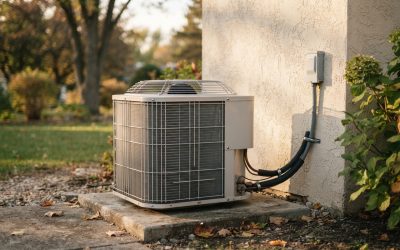
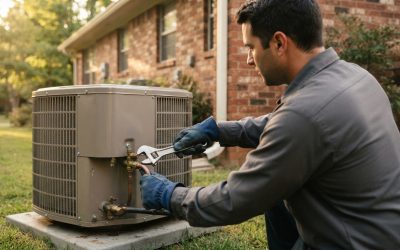
A failing furnace or air conditioner does not always require a complete system replacement. Before deciding between another repair and an upgrade, homeowners should consider the unit’s age, the cost of the current breakdown, and declining energy efficiency. Exploring Replacement HVAC Solutions can help homeowners identify a system that better suits their property’s heating and cooling requirements while improving long-term reliability and reducing ongoing energy costs.
Empire Heating & Cooling services residential and commercial heating and cooling systems in Billings, Lockwood, and Laurel, MT, including furnace and air conditioner replacement work. A clear decision point helps avoid repeated service calls on equipment that is already near the end of its useful life.
Signs a Repair Won’t Be Enough
Certain symptoms point toward replacement rather than another patch job:
- Frequent breakdowns during the same heating or cooling season
- Rising utility bills despite no change in household habits
- Uneven temperatures between rooms that a thermostat adjustment cannot fix
- A repair estimate that approaches half the cost of a new system
- Unusual noises, burning odors, or a furnace with a pilot light, which often signals equipment installed before modern efficiency standards
According to ENERGY STAR guidance, homeowners should consider replacing a heating or cooling system once it is more than 10 to 15 years old, especially if repairs are becoming frequent. That same guidance notes that equipment in that age range tends to run less efficiently than current models, which can quietly push monthly energy costs upward.
Matching a New System to the Home
Replacement is not a one-size-fits-all purchase. Several variables shape the right fit for a given property:
| Factor | Why It Matters |
|---|---|
| Square footage and layout | Oversized or undersized units short-cycle or struggle to maintain temperature |
| Ductwork condition | Leaky or undersized ducts reduce the benefit of a new high-efficiency system |
| Local climate exposure | Montana winters place sustained demand on furnaces, favoring higher AFUE ratings |
| Existing electrical and gas connections | Determines whether additional installation work is needed |
A system sized correctly for the home’s square footage and insulation performs more consistently than one chosen on price alone. Ductwork inspections during replacement catch leaks that would otherwise undercut the efficiency gains of new equipment.
Planning the Replacement Timeline
Scheduling matters as much as equipment selection. A few practical steps keep the process predictable:
- Request an on-site evaluation before the current system fails completely.
- Compare at least two efficiency ratings for furnaces or air conditioners suited to the climate.
- Confirm permit and inspection requirements with local code officials.
- Ask about ductwork assessment as part of the installation quote.
- Set a maintenance schedule for the new equipment to protect its expected lifespan.
Replacing a furnace and air conditioner at the same time, when both are near end-of-life, often simplifies scheduling and avoids mismatched system components. Residents of Laurel, MT working with local contractors can request a single evaluation that covers both heating and cooling equipment rather than scheduling separate visits.
Frequently Asked Questions
How long does a typical furnace or air conditioner last?
Furnaces generally last 15 to 20 years and central air conditioners roughly 10 to 15 years, though maintenance history and usage patterns affect the actual lifespan of any given unit.
Is it better to repair or replace an aging HVAC system?
A common guideline is that if the repair cost exceeds half the price of a comparable new system, replacement is typically the more cost-effective option over time.
Does replacing just the furnace or just the air conditioner make sense?
Replacing only one half of a matched heating and cooling system can reduce performance, since components are often designed to work together at a specific efficiency level.
What should be inspected before installing a new system?
Ductwork, electrical capacity, and existing gas or fuel connections should all be checked, since issues in any of these areas can limit the performance of new equipment.
Homeowners comparing options for heating and cooling equipment can review published details for Empire Heating & Cooling covering the local service area.