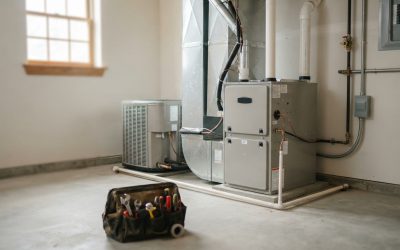
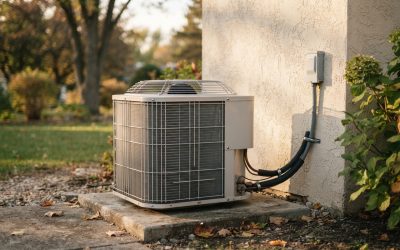
Heat repair typically addresses problems such as weak airflow, strange noises, pilot light failures, and uneven heating caused by worn components, dirty filters, or aging equipment. Most of these issues are diagnosable through a professional inspection and can often be resolved without a full system replacement.
Homeowners searching for heat repair are usually dealing with a furnace that is either failing to produce heat, cycling too often, or making unusual sounds. These symptoms rarely appear without warning, and recognizing them early can prevent a minor repair from becoming a costly breakdown during the coldest stretch of winter.
Signs a Furnace Needs Professional Attention
Furnace problems tend to follow recognizable patterns before a full failure occurs. Watching for these signs helps homeowners decide when to call a technician versus when a simple fix will do.
- Frequent cycling or breakdowns : Repeated service calls and paying for more frequent and more expensive furnace repairs is often the first sign a system is struggling.
- Uneven heating : Cold spots in certain rooms usually point to airflow restrictions, duct issues, or a failing blower component.
- Unusual noises or odors : A furnace running normally should not give off any smell, and a strong, unpleasant odor can indicate serious issues.
- Rising energy bills : A furnace working harder than usual to maintain temperature often signals declining efficiency.
Repair Versus Replacement Considerations
Not every heating problem requires a new system. Age, repair frequency, and the type of failure all factor into the decision.
|
Factor |
Repair Likely Sufficient |
Replacement Worth Considering |
|
Furnace age |
Under 10-12 years |
Over 15-20 years |
|
Repair cost |
Under a few hundred dollars |
Repeated repairs nearing replacement cost |
|
Issue type |
Filter, thermostat, minor electrical |
Cracked heat exchanger, major component failure |
|
Frequency |
Isolated incident |
Multiple service calls per season |
On average, a furnace can be expected to last 15 to 20 years, though it can last longer if well-maintained and fail earlier if poorly maintained. According to Energy.gov guidance on furnaces and boilers, periodic maintenance can extend the life of a heating system and reduce the risk of efficiency loss over time.
Preventing Repeat Breakdowns
Routine maintenance reduces the likelihood of mid-winter failures and helps technicians catch small issues before they escalate.
1. Replace or clean air filters every one to three months to maintain steady airflow.
2. Schedule an annual inspection before the heating season begins, ideally in early fall.
3. Keep vents and registers clear of furniture or debris that restrict airflow.
4. Monitor the thermostat for accuracy and replace batteries as needed.
5. Note any changes in sound, smell, or heating consistency and report them promptly.
Having a furnace inspected by an HVAC contractor for a tune-up once a year can save money over time and keep a home safe and comfortable during winter months, since a qualified technician can inspect the heat exchanger, burners, and venting system during the visit. For residents in Aurora, CO, where winter temperatures can place sustained demand on heating equipment, this kind of seasonal check is a practical way to limit emergency repair calls.
Technicians performing heating service in Aurora, CO are generally trained to inspect burners, blower components, and safety controls as part of a standard diagnostic visit. A business profile description for Primary Air Home Services outlines heating installation and repair as part of its listed offerings.
Frequently Asked Questions
How long does a typical furnace repair visit take? Diagnostic and repair visits vary by issue, but minor fixes like filter replacement or thermostat recalibration are usually completed within a single appointment.
Can a furnace be repaired if it is making loud noises? Noises often indicate a mechanical issue such as a loose blower component, and many are repairable if addressed before the part fails completely.
Is it normal for a furnace to smell when first turned on for the season? A brief dust-burning smell when first starting a furnace after months of inactivity is common, though a persistent or strong odor should be inspected.
How often should a furnace be professionally inspected? Most heating professionals recommend an annual inspection, ideally scheduled before the start of the cold season.
Routine attention to airflow, unusual sounds, and energy bill changes helps homeowners catch heating problems before they require emergency intervention. Published details for Primary Air Home Services describe the heating repair and installation work available in the local service area.